Sometimes the most profound conversations happen in the most unexpected places. This week, a simple tweet about motherhood found its way into the heart of the Minecraft community, proving once again that the stories we tell ourselves about gaming and life aren’t so different after all.
The tweet itself was beautifully straightforward. No grand proclamations or controversial takes—just a gentle reminder that resonated with thousands of players across the blocky landscapes of Minecraft.
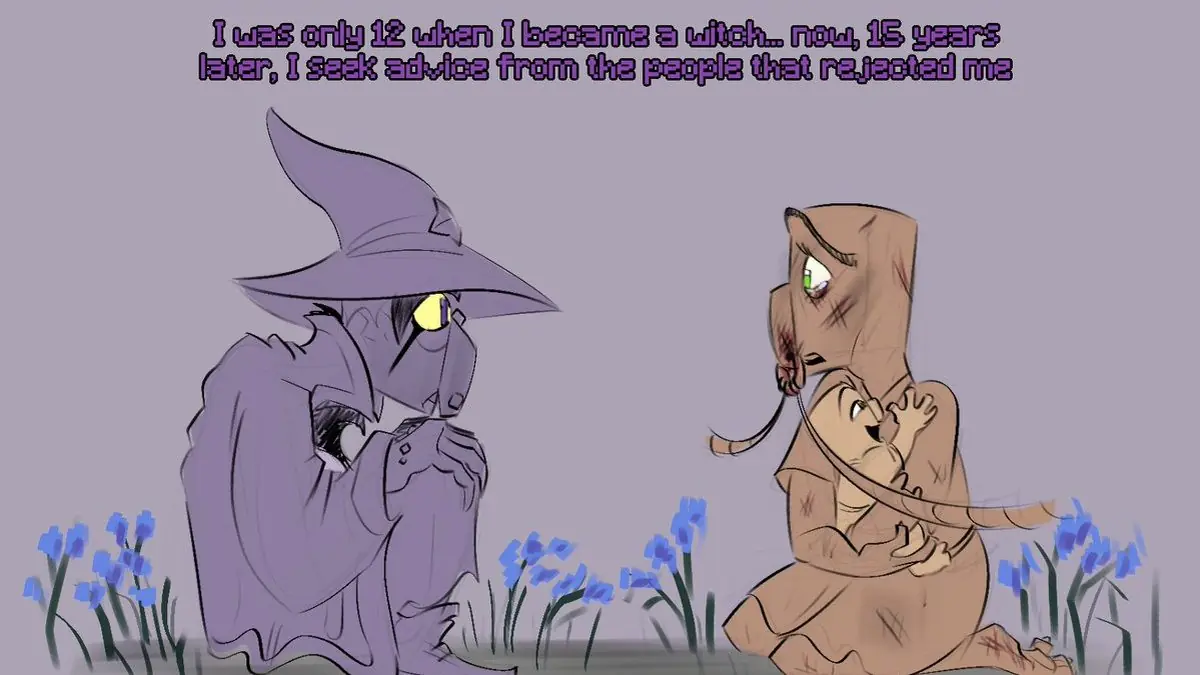
“Only a mother can give advice about motherhood. #Minecraft #MCPurity” — @DINOLT15
What makes this moment special isn’t the message itself, but where it landed. The tweet picked up 1,564 likes and 59 retweets, numbers that tell a story about who’s really playing Minecraft these days. It’s not just kids building castles anymore—it’s parents, grandparents, and everyone in between sharing the same digital sandbox.
The #MCPurity hashtag adds another layer to this narrative. While we don’t know the full context of this particular community movement, hashtags like these often emerge when players want to carve out spaces for meaningful conversation within larger gaming communities. They become lighthouses for like-minded individuals seeking depth beyond the surface-level gameplay discussions.
Minecraft has always been different from other games. Where most titles focus on competition or achievement, Minecraft handed players a box of digital Legos and said “go build your world.” That creative freedom extends beyond architecture into the social fabric of its community. Players don’t just build structures—they build relationships, share stories, and yes, exchange life advice.
There’s something deeply human about finding wisdom in a space built from blocks. Minecraft’s infinite worlds mirror the way real conversations unfold—organically, unexpectedly, with room for everyone to contribute their piece to the larger structure. A parent sharing advice about raising children fits naturally into this environment because Minecraft has always been about nurturing growth, whether that’s a sapling into a tree or an idea into something beautiful.
The multi-generational nature of Minecraft’s player base creates these unique moments of cross-pollination. Where else can a teenager learn building techniques from a parent while that same parent picks up life lessons from the community? The game becomes a bridge between worlds, ages, and experiences that might never intersect elsewhere.
This isn’t an isolated incident either. Gaming communities have increasingly become venues for real-world connection and support. From mental health awareness campaigns in animal crossing communities to charity drives organized through Fortnite, the lines between virtual and real-world community building continue to blur in beautiful ways.
What’s particularly striking about this Minecraft moment is its gentleness. In an era where gaming discourse often revolves around controversy and conflict, here’s a community pausing to acknowledge something as fundamental as the wisdom that comes with experience. It’s the kind of quiet profundity that Minecraft specializes in—turning simple moments into something meaningful.
The conversation also highlights how gaming spaces can serve as modern town squares, where different generations gather to share more than just strategies and tips. They become places where life happens, where real relationships form around shared virtual experiences, and where wisdom gets passed down through unexpected channels.
As gaming continues to mature as a medium and cultural force, we’ll likely see more of these moments where virtual communities become spaces for real-world connection and growth. The next generation of gamers is growing up in environments where online and offline relationships blend seamlessly, where a conversation about building techniques can naturally flow into discussions about building a life.
Minecraft’s enduring appeal lies partly in its ability to make space for these human moments. The game gives players tools to build whatever they can imagine, and increasingly, what they’re imagining includes communities that nurture not just creativity, but wisdom, support, and connection that extends far beyond the screen.