Sometimes the most interesting stories hide behind the cutest faces. That’s exactly what’s happening with Mythic Hop Online!, a new Steam game that’s turning heads with its unique take on idol culture and streaming fantasy.
Meet Mei, the star of this digital adventure. She’s not your typical gaming protagonist. Instead of wielding a massive sword or casting ancient spells, Mei lives in a world where being an idol streamer is the ultimate goal. It’s a fresh take on character motivation that feels surprisingly relevant to our current digital age.
The game caught attention recently when details about Mei’s world started making the rounds on social media.
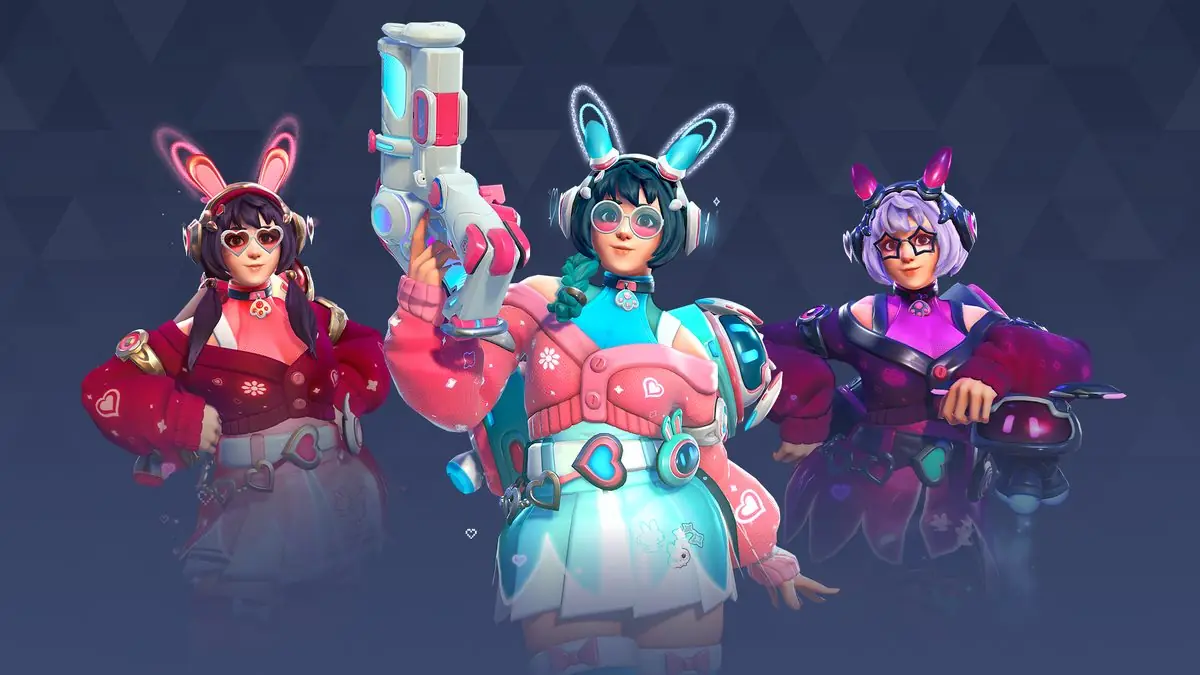
“Mythic Hop Online! Mei drops you straight into a streamer fantasy with a bright, shining style that’s all charm. Become an idol with glowing pixels and Snowball’s mischievous flair bringing Mei’s personality to life. But there are some sharp edges buried beneath the sparkling snow, so don’t let the adorable bunnies fool you – they come with some kick! Make combat cuter, keep your kills cold. And don’t forget to like & subscribe!” — @MauveTabaxi
What makes Mei’s story compelling isn’t just the idol angle. It’s how the game weaves together seemingly contradictory elements. On one hand, you have this bright, glowing world full of adorable bunnies and streaming culture. On the other, there’s real combat with “sharp edges” hiding beneath all that sparkle.
This kind of narrative tension creates interesting storytelling opportunities. Mei isn’t just performing for an audience – she’s navigating a world where entertainment and survival might be more connected than they first appear. The bunny motifs and glowing pixel aesthetic serve as more than just cute decoration. They’re part of a larger world-building exercise that asks what happens when our digital personas meet real consequences.
The streamer fantasy element taps into something many young gamers already understand. We live in an age where content creation and gaming often overlap. Mei’s world takes that idea and runs with it, creating a space where being an idol isn’t separate from adventure – it’s part of the adventure.
The visual design choices tell their own story too. Glowing pixels suggest a digital world that’s both beautiful and slightly artificial. The bunny imagery creates expectations of innocence that the combat elements deliberately subvert. It’s smart character design that uses visual language to set up narrative surprises.
What’s particularly interesting is how the game seems to balance cute aesthetics with genuine gameplay depth. Too often, games with adorable art styles get dismissed as simple or shallow. But the promise of “sharp edges” and combat suggests Mei’s world has real stakes hidden beneath its charming surface.
This approach to character design and world-building reflects a broader trend in gaming. Players increasingly want experiences that don’t fit neatly into traditional categories. They want cute characters who can also kick ass. They want stories that acknowledge both the digital and physical aspects of modern life. They want games that look like one thing but surprise them with something deeper.
Mei represents this new kind of protagonist perfectly. She’s an idol, a streamer, a fighter, and a survivor all at once. Her story doesn’t have to choose between being cute or being serious – it can be both.
The Steam platform gives indie games like this the space to experiment with unconventional narratives. Without the pressure of massive marketing budgets or broad demographic appeal, smaller games can explore niche concepts like streaming idol combat fantasy. That creative freedom often leads to the most memorable gaming experiences.
As for what comes next, Mythic Hop Online! represents an interesting test case. Will players embrace a protagonist whose story centers around streaming culture? Can cute aesthetics coexist with meaningful combat? Will Mei’s world resonate with gamers who understand both the appeal and the pressure of digital performance?
The answers to these questions could influence how future games approach character design and narrative structure. If Mei’s adventure succeeds, we might see more games willing to blend seemingly incompatible elements into cohesive stories.
For now, though, the focus should be on Mei herself. In a gaming landscape full of chosen ones and ancient prophecies, there’s something refreshing about a protagonist whose biggest challenge might be maintaining her streaming schedule while fighting adorable but dangerous bunnies. Sometimes the most compelling adventures happen when ordinary aspirations meet extraordinary circumstances.