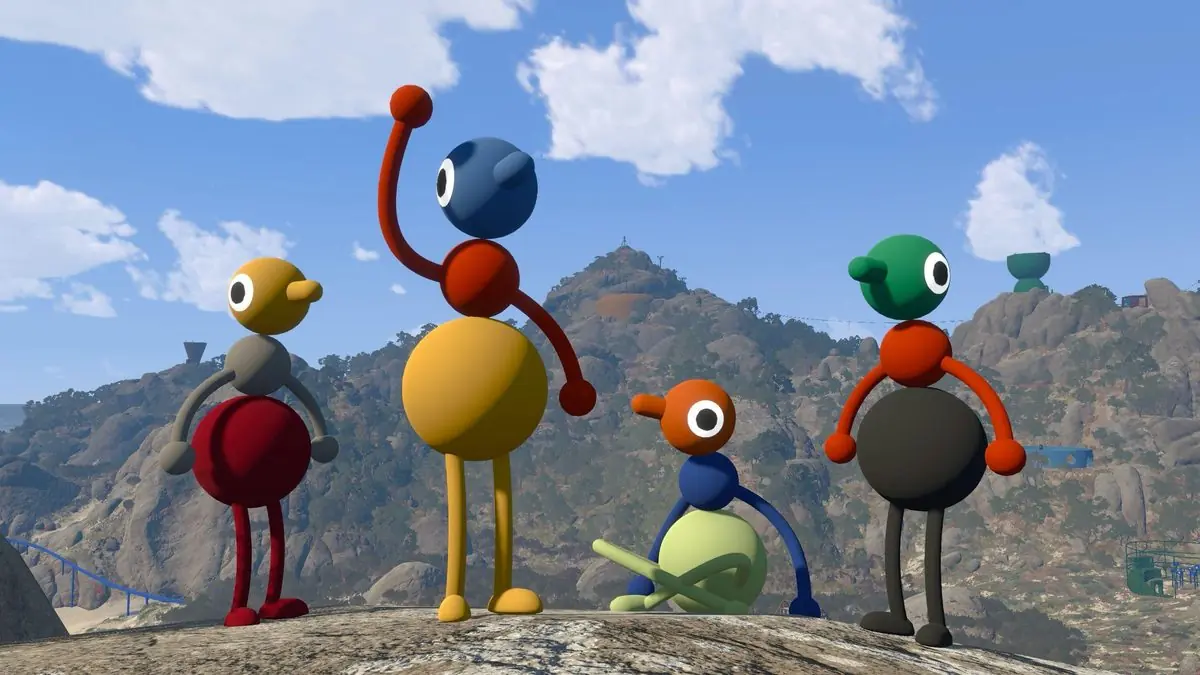
In a world where you can download most game demos in seconds, one publisher is making you work for it. Panic, the indie darling behind hits like Untitled Goose Game, just announced that Big Walk demos are only available if you actually walk to their office and play it there. No Steam demo. No online preview. Just good old-fashioned shoe leather.
It’s a move that feels both charmingly retro and wildly impractical. In 2026, when most of us expect instant access to everything, Panic is asking gamers to plan a field trip just to try their latest game.
“You can play Big Walk before launch, but only if you take a big walk to the publisher office to play it in person” — u/gamersecret2 on r/gaming
The gaming community is split on whether this is genius marketing or just gatekeeping with extra steps. Some players love the idea of bringing back that arcade-era feeling where you had to go somewhere special to play something new. There’s something nostalgic about the concept – it reminds older gamers of the days when you’d bike to the local game store just to try the latest demo kiosk.
For younger players especially, this could feel like a genuine adventure. When everything is available instantly, there’s something appealing about a game that makes you earn the experience. It turns trying a demo into an event, complete with the anticipation of travel and the satisfaction of finally sitting down to play.
The strategy also creates natural word-of-mouth buzz. Every person who makes the trek becomes a walking advertisement, sharing their experience with friends who couldn’t make the journey. It’s the kind of organic marketing that money can’t buy.
But not everyone is buying what Panic is selling. The criticism is pretty straightforward – this approach excludes a huge chunk of potential players. Not everyone lives near Panic’s office. Not everyone has the time, money, or ability to travel for a game demo. In an industry that’s been making steady progress on accessibility, requiring physical presence feels like a step backward.
The timing also feels weird. We’re still dealing with the lingering effects of a global pandemic that taught us remote access isn’t just convenient – it’s often necessary. Making demos location-dependent ignores the reality that many gamers have come to rely on digital access for good reason.
Some players are questioning whether this is actually about the game experience or just a publicity stunt. When you make something artificially scarce, it generates buzz, but it also risks alienating the very people you’re trying to reach. The line between clever marketing and annoying gatekeeping can be pretty thin.
There’s also the practical question of scale. If Big Walk turns out to be amazing and everyone wants to try it, how many people can realistically demo it at Panic’s office? The logistics of managing crowds, scheduling, and providing a good experience for each visitor could quickly become a nightmare.
The bigger picture here is what this says about how we discover and experience games in 2026. For decades, the industry has moved toward greater accessibility and convenience. Steam’s easy refund policy, Game Pass trials, and free-to-play weekends have all made it easier than ever to try before you buy.
Panic’s approach runs counter to all of that. It’s asking players to invest time and effort before they even know if they’ll like the game. That’s a big ask in an era where our attention spans are short and our entertainment options are endless.
But maybe that’s exactly the point. In a crowded marketplace where hundreds of games launch every week, being different might be more valuable than being convenient. If Big Walk is genuinely special, then maybe the journey to play it becomes part of what makes it special.
This could also signal a broader trend toward experiential marketing in gaming. As digital spaces become more saturated, some developers might look for ways to create physical experiences that stand out. Pop-up gaming cafes, location-based demos, and interactive installations could become the new way to cut through the noise.
The success or failure of Panic’s experiment will probably depend on two things: how good Big Walk actually is, and how well they execute the in-person experience. If the game is amazing and the office visit feels special, this could become a model other developers copy. If it’s just an okay game with a gimmicky demo strategy, it’ll probably be remembered as an interesting footnote.
For now, we’ll have to wait and see whether enough players are willing to take that big walk. The gaming industry has always been about pushing boundaries, but usually those boundaries are technical or creative. Panic is pushing a different kind of boundary – the one between digital convenience and physical experience.
Whether that gamble pays off depends on how much we value the journey versus the destination. In a world where everything comes to us, maybe sometimes we need to go to it instead.