Sometimes the most beautiful moments in games come from the tiny details we almost miss. Like stumbling upon a squad of NPCs fighting monsters in a field, lending a hand, and realizing something magical just happened.
That’s exactly what one player discovered while revisiting Tears of the Kingdom, and their observation reveals something wonderful about how Nintendo thinks about world design.
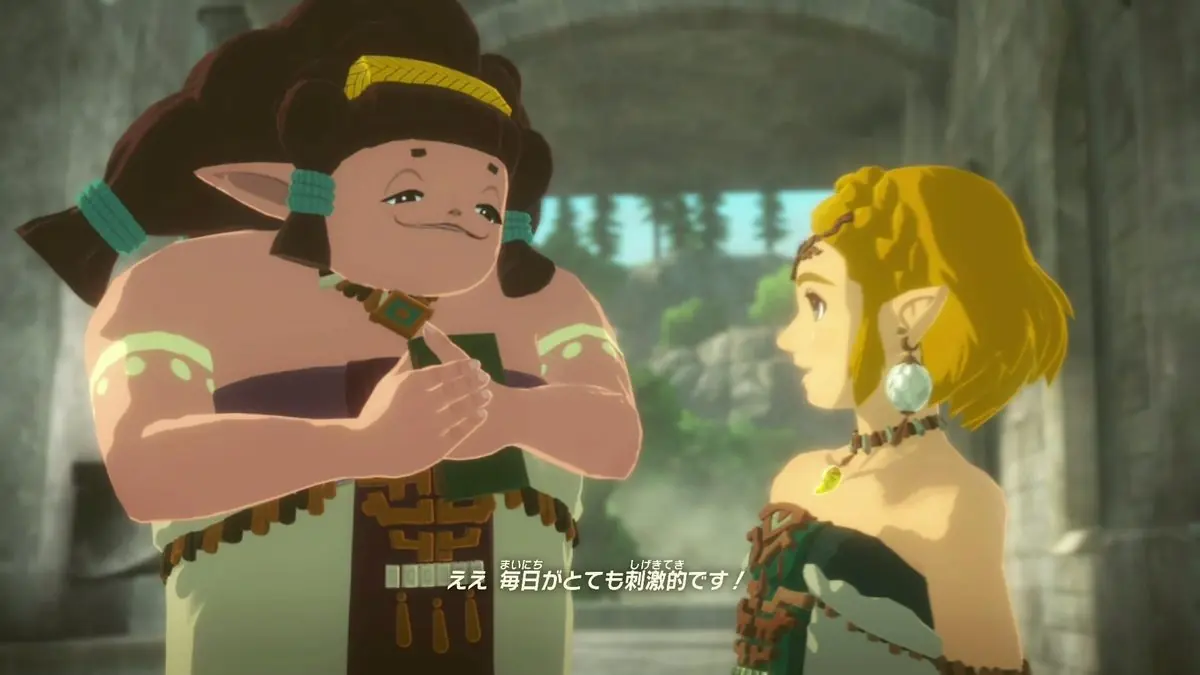
“Was replaying Tears of the Kingdom yesterday and kept running into those Monster Control Crew patrols. Just random NPC squads roaming around hunting monsters. A couple of times I basically walked into one of their fights and ended up helping them clear a camp. One of them even did that little ‘thanks for the help’ line afterwards… But yesterday it kind of hit me that it makes Hyrule feel a bit different. Like the world is not just sitting there waiting for you to show up.” — @Visible_Welder5613
This observation touches on something special about how Tears of the Kingdom handles its world. The Monster Control Crew aren’t just decoration or scripted events. They’re part of a living system that creates different stories depending on when you show up.
What makes these patrols so clever is their unpredictability. You might arrive right as the battle starts and jump in to help. Or you could stumble upon the aftermath, with NPCs celebrating their victory. Sometimes you’ll find them mid-fight, desperately needing backup. Each encounter feels genuine because the timing matters, not just the location.
This kind of dynamic storytelling brings back memories of those perfect gaming moments from childhood. You know the ones – when something unexpected happened that wasn’t in any walkthrough, something that felt like it was just for you. Nintendo has always been masters at creating these special little discoveries, and the Monster Control Crew continues that tradition.
The system becomes even more interesting when you consider its origins. Director Eiji Aonuma mentioned in interviews that the Zelda team drew inspiration from working with the Hyrule Warriors developers at Koei Tecmo. Those games are built around battles constantly shifting across maps, with control of areas changing in real-time.
That influence shows in how these patrols work. Instead of everything waiting patiently for Link to arrive, parts of Hyrule are already in motion. Battles happen whether you’re there or not. The world has its own rhythm, its own stories unfolding, and you’re invited to step into them.
This represents a subtle but important shift in open-world design. Many games fill their worlds with static encounters – the same enemy camp that resets after you clear it, the same NPC who says the same thing every time you pass. But Nintendo chose something more organic.
The Monster Control Crew makes Hyrule feel inhabited in a way that goes beyond just placing NPCs in towns. These soldiers have jobs to do, routes to patrol, and battles to fight. They exist for their own reasons, not just to serve the player’s story.
It’s the kind of thoughtful design that makes you appreciate the craft behind the game. Someone at Nintendo spent time making sure these patrols would create meaningful encounters. Someone programmed the timing systems, wrote the dialogue, and made sure it all felt natural.
This attention to the small stuff is what separates great games from good ones. The Monster Control Crew doesn’t unlock new areas or provide major upgrades. But they make the world feel more real, more alive, more worthy of our emotional investment.
Looking ahead, this kind of dynamic world design could shape how other developers approach open worlds. Instead of filling maps with static content, we might see more systems that create emergent stories through timing and player agency.
The success of these small touches in Tears of the Kingdom suggests players are hungry for worlds that feel genuinely alive. We want to discover things that weren’t specifically placed for us, to help NPCs who have their own goals and struggles.
As Nintendo continues to evolve the Zelda formula, systems like the Monster Control Crew point toward exciting possibilities. What if more of Hyrule operated on its own schedule? What if weather patterns, NPC routines, and monster behavior all created a world that truly lived and breathed?
For now, we can appreciate what we have – a beautiful example of how the tiniest details can make the biggest difference in how a game feels. Sometimes the best discoveries come not from grand gestures, but from quiet moments of realization that the world around us is more alive than we ever noticed.