The cursor hovers over the “Purchase” button. Your finger trembles like you’re about to face a final boss. You know this moment all too well — the instant before you add another game to your digital graveyard of good intentions.
One Steam Deck owner recently faced this harsh reality and decided to share their pain with the world. Their confession struck a nerve that echoed through gaming communities everywhere.
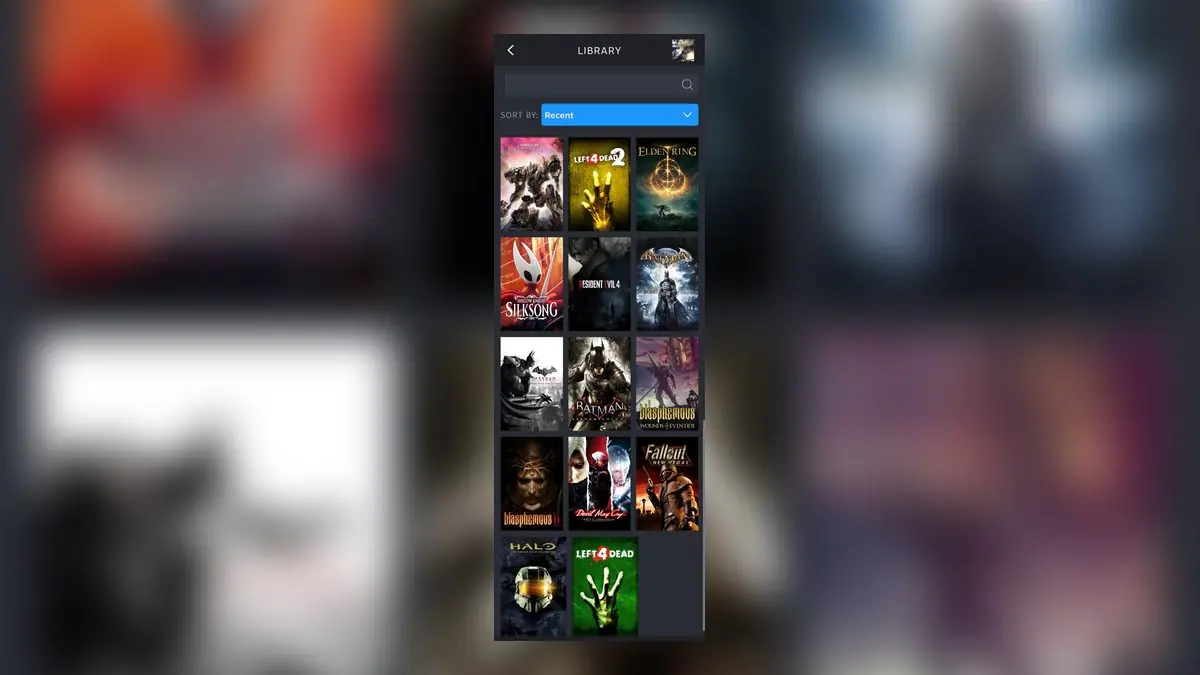
“What games have you regretted buying? I’ve had Steam Deck OLED since October and I’m just starting to build my library, but there are two games I regret buying: Armored Core 6 and Elden Ring. I love Elden Ring, but I already have so many hours on PlayStation and thinking about it, it was an unnecessary purchase. And about Armored Core, the truth is that I think it’s a good game, but it hasn’t managed to hook me as much as I’d like. Now I would like to know yours” — u/billy_reyes on r/Steam
This post hit different. It wasn’t about bad games or broken promises. This was about the weight of owning something twice, the guilt of an excellent game that just didn’t click, and the very human need to share our digital shame.
The response was immediate. Gamers came out of the woodwork to share their own tales of regret. Comments flooded in with stories that felt like group therapy sessions. People talked about buying games on sale that sat in their libraries forever. Others shared the pain of double-dipping on titles they already owned on different platforms.
The community embraced this honesty. There’s something powerful about admitting that even good games can be mistakes. It breaks the illusion that every purchase needs to be perfect, every game needs to be completed, every dollar needs to be justified.
The Elden Ring situation cuts deep because it’s so relatable. Picture this: you’ve poured 200 hours into the Lands Between on your PlayStation. You’ve beaten every boss, found every secret, lived through every death. Then you get a Steam Deck and that same masterpiece calls to you again.
Logic says no. Your heart says maybe. Your wallet says why not?
But here’s the thing about great games — they don’t always translate across platforms the way we expect. The magic that made you fall in love on one system doesn’t automatically follow you to another. Sometimes buying the same game twice feels less like expanding your library and more like buying the same book in hardcover when you already own the paperback.
The portable promise of the Steam Deck makes this even trickier. The idea of taking Elden Ring anywhere seems amazing until you realize you’re not actually going to replay a 100-hour epic on the bus.
The Armored Core 6 confession hits different but just as hard. This is a perfect example of how quality doesn’t always equal connection. FromSoftware crafted something beautiful — a return to their mech roots with all the polish and precision we’ve come to expect.
But sometimes a game can be technically excellent and still leave you cold. The controls are tight, the visuals stunning, the design thoughtful. Yet something in the alchemy between player and game just doesn’t ignite. It’s like trying to force chemistry with someone who checks all the right boxes on paper.
This kind of regret hurts more than buying a genuinely bad game. At least with a broken mess, you can point to obvious flaws and feel justified in your disappointment. When a good game doesn’t hook you, the failure feels personal. Like maybe you’re missing something everyone else gets.
This conversation reveals something deeper about how we think about games and platforms. We’re living in an era where our libraries span multiple ecosystems. PC, console, handheld, cloud gaming — each platform whispers promises about how this time will be different.
The psychology of platform collecting is real. We tell ourselves that having a game on Switch means portable play. On PC means better graphics. On PlayStation means trophy hunting. On Steam Deck means the best of both worlds.
But sometimes the best version of a game is the one you already played to death months ago. Sometimes the perfect platform is the one where you made the memories the first time.
This kind of honest reflection helps the gaming community grow up a little. We’re moving past the idea that every purchase needs to be defended, every game in our library needs to be completed, every platform needs to be justified.
It’s okay to buy something and realize it wasn’t for you. It’s okay to love a game but not need it everywhere. It’s okay to admit that your Steam Deck library doesn’t need to mirror your PlayStation collection.
What makes this discussion valuable isn’t the specific regrets — it’s the permission to have them. When someone shares their gaming mistakes openly, it gives others the courage to be honest about their own. That honesty helps us all make better choices going forward.
The Steam Deck owner who started this conversation did something brave. They admitted that their perfect portable gaming machine wasn’t immune to buyer’s remorse. They showed that even when everything works as intended, sometimes the magic just isn’t there.
As gaming libraries continue to grow and platforms multiply, these conversations become more important. The next time you hover over that purchase button, maybe you’ll remember this post. Maybe you’ll ask yourself not just “Is this a good game?” but “Is this the right game for me, on this platform, right now?”
Sometimes the best purchase is the one you don’t make. Sometimes the best library is the one that knows when to say no.