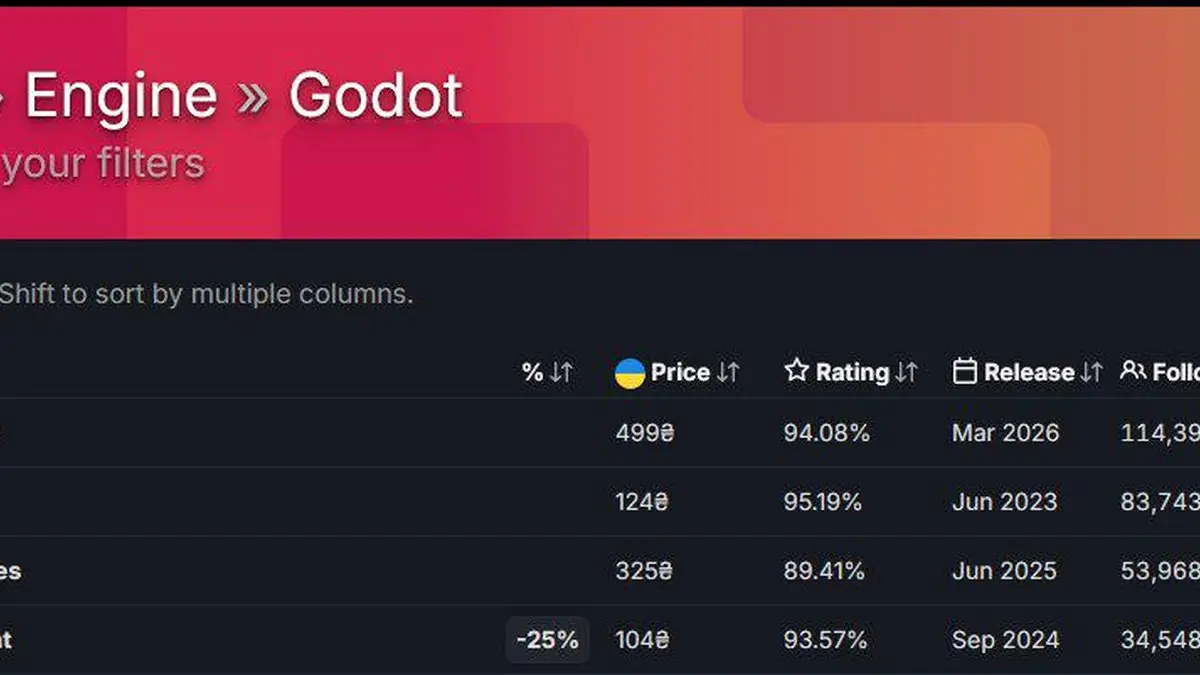
Slay the Spire 2 just made gaming history, and it’s not just because everyone’s obsessed with deck-building again. The indie sequel became the first game built with the Godot engine to hit 100,000 concurrent players on Steam. That might sound like technical jargon, but it’s actually a pretty big deal for the future of game development.
“Slay the Spire 2 is the first Godot-made game to surpass 100,000 concurrent players on Steam” — u/ScrepY1337 on r/Steam
For context, hitting 100K concurrent players puts you in pretty exclusive company on Steam. That’s the kind of number that AAA games celebrate, and here’s an indie sequel doing it with an open-source engine that most people haven’t heard of.
The gaming community is buzzing about what this means. Godot has been the scrappy underdog in the engine world for years. While Unity and Unreal Engine dominated the headlines, Godot quietly built a loyal following of indie developers who loved that it was completely free and open-source. No licensing fees, no revenue cuts, no corporate drama.
But there’s always been this question hanging over Godot: can it really handle big commercial games? Sure, it’s great for small indie projects, but what about games that need to scale up and handle massive player counts? Slay the Spire 2 just answered that question with a resounding yes.
Of course, not everyone’s convinced this changes everything overnight. Godot still has some catching up to do in terms of features and third-party support. AAA studios aren’t going to switch engines just because one indie game did well. The tooling and pipeline integration that big studios need takes years to develop.
But that’s kind of missing the point. This isn’t about Godot trying to steal market share from Unity tomorrow. It’s about proving that open-source tools can deliver professional results. For a lot of indie developers, that’s huge.
Think about it from a developer’s perspective. You’re working on your dream game, maybe with a small team or even by yourself. Every dollar matters. When you’re looking at engines, the choice between paying licensing fees and using something completely free is pretty obvious. But you also want to make sure your engine won’t hold you back if your game takes off.
Slay the Spire 2 just showed that Godot won’t hold you back. The original Slay the Spire was already a massive hit, selling millions of copies and basically creating the modern deck-building roguelike genre. For the sequel to launch on Godot and immediately hit these kinds of numbers? That’s not just validation for the engine — it’s a statement.
The timing is pretty perfect too. The game development world has been through a lot of upheaval lately. Unity’s licensing controversy last year left a lot of developers looking for alternatives. Epic’s been pushing Unreal Engine hard, but it’s still overkill for a lot of projects. Godot offers something different: a middle ground that’s powerful enough for serious games but accessible enough for smaller teams.
What makes this even more interesting is that Mega Crit, the studio behind Slay the Spire, didn’t have to use Godot. They had the success and resources to use whatever engine they wanted. They could’ve stuck with Unity, switched to Unreal, or even built their own tech. Instead, they bet on Godot for their biggest project yet.
That decision is looking pretty smart right now. Not only did they avoid licensing headaches, but they also got to be part of gaming history. Being the first anything in gaming is always cool, but being the first to prove that an open-source engine can handle mainstream success? That’s the kind of legacy most developers dream about.
So what’s next? Don’t expect a mass exodus from other engines overnight, but this definitely opens doors. More developers will take a serious look at Godot for their next projects. Publishers might be more willing to greenlight games built with it. And the Godot community will probably see a surge of new contributors and supporters.
For players, this could mean more diverse and creative games. When developers aren’t worried about engine costs eating into their budgets, they can take bigger creative risks. And when tools are open-source, the whole community benefits from improvements and innovations.
Slay the Spire 2’s milestone isn’t just about one game or one engine. It’s about proving that the indie spirit of gaming is alive and well, and that sometimes the best tools are the ones built by and for the community.