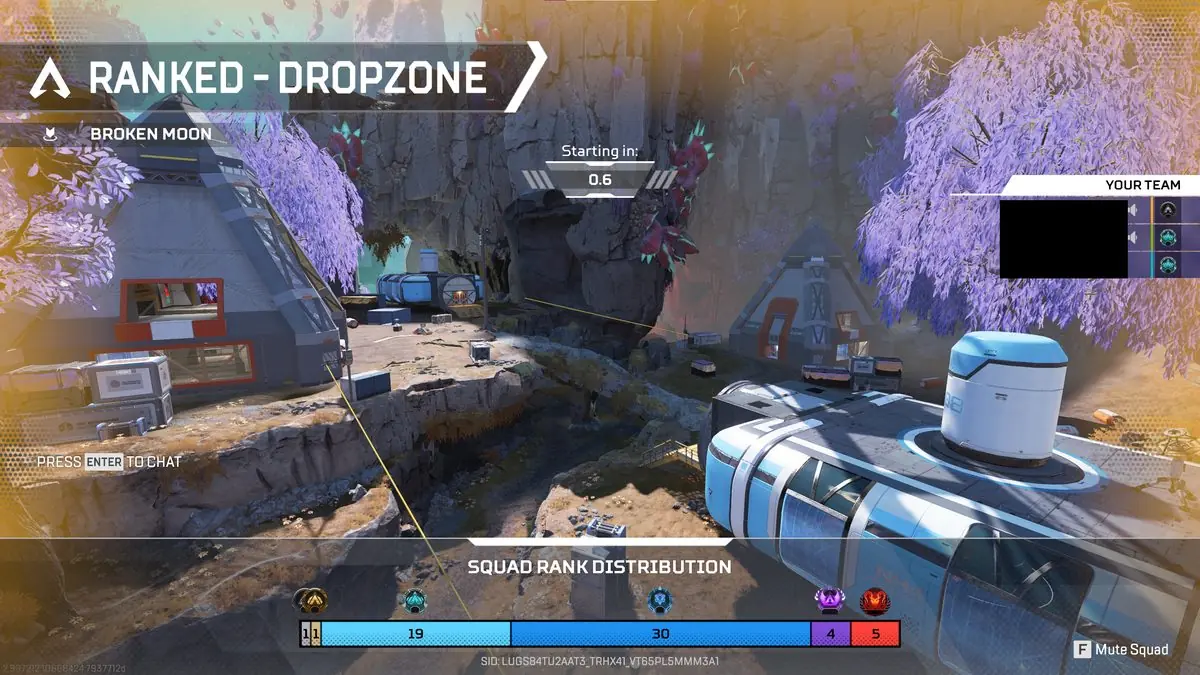
Picture this: you’re a Silver-ranked player in Apex Legends, grinding through the ranks, telling yourself that each match gets you closer to your goal. You queue up for what should be a fair fight against players near your skill level. Instead, you drop into King’s Canyon only to find yourself staring down the barrel of a Wingman held by someone with a Predator badge. Multiple Predators, actually. The story you thought you were writing—one of gradual improvement and earned victories—just got rewritten into a tragedy.
That’s exactly what happened to players this week, and the community isn’t taking it quietly.
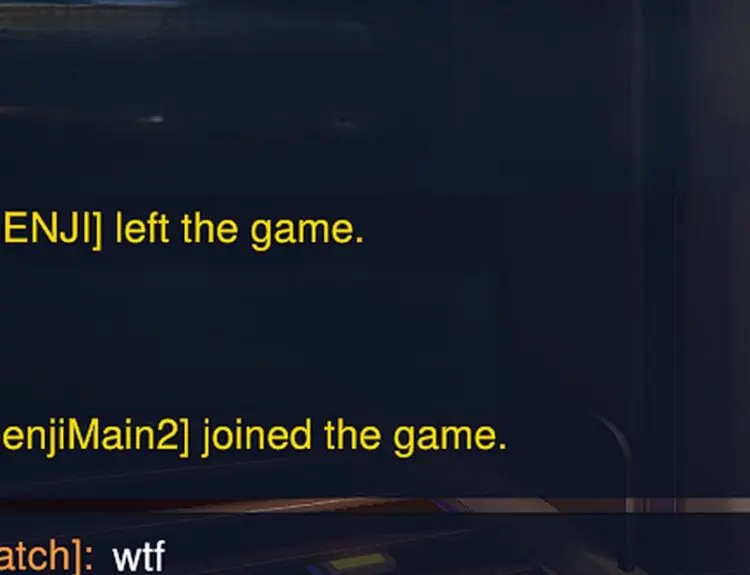
“What the heck, man. Just ran a few with some buddies and we saw this and immediately went ‘yeah that’s enough for the day’. In what world is it okay for a matchmaking system to place silver rank players with MULTIPLE top rank preds in the same ranked match?” — u/awesomebrick on r/apexlegends
The frustration in that post isn’t just about losing a match. It’s about having your entire evening derailed by a system that’s supposed to understand the story you’re trying to tell. When players invest time in ranked modes, they’re not just playing games—they’re crafting narratives about progress, about earning their place, about the journey from Bronze to Diamond and beyond.
Ranked systems work because they create meaning. Each tier tells a story about where you’ve been and where you’re going. Bronze players are the protagonists just starting their hero’s journey. Silver players have learned the basics but still have worlds to discover. Gold players know the map like their hometown. And Predators? They’re the final boss, the ultimate challenge waiting at the end of countless hours of dedication.
When a Silver player suddenly finds themselves face-to-face with a Predator in what should be a fair match, it’s not just bad gameplay—it’s narrative collapse. It’s like throwing Frodo directly into Mount Doom without the journey, or having Luke face Vader before he even knows how to use a lightsaber. The progression stops making sense.
This isn’t the first time Apex Legends has struggled with matchmaking’s delicate balance. The game’s competitive scene has always walked a tightrope between keeping queue times reasonable and maintaining fair matches. But when the system breaks down this dramatically, it reveals something deeper about what we expect from competitive gaming.
We don’t just want fair matches—we want our struggles to mean something. When a Silver player loses to another Silver player, that’s a chapter in their story, a lesson learned, a step forward. When they lose to a Predator, it’s just noise. There’s no narrative thread to follow, no growth to extract from the experience.
The fact that players are immediately quitting when they spot this mismatch speaks volumes. They’re not just rage-quitting—they’re protecting their story. They recognize when the game has stopped making sense and choose to preserve their investment in the ranking system by walking away rather than participating in its breakdown.
This touches on something fundamental about competitive gaming culture. The ranks aren’t just numbers—they’re identities. Players wear their rank like a badge that tells the world how far they’ve come. When the system randomly throws Silver players into Predator lobbies, it’s not just unfair matchmaking—it’s an attack on the very meaning those ranks represent.
Respawn Entertainment hasn’t officially addressed this specific matchmaking issue yet, but the community’s response suggests this isn’t something that can be ignored. When players start abandoning sessions en masse, it threatens the health of the entire competitive ecosystem. Empty lobbies don’t tell good stories.
The fix itself might be technical, but the impact is deeply personal. Each player who encountered this bug had their evening’s gaming narrative disrupted. Some will come back tomorrow hoping it’s fixed. Others might take a longer break, waiting for the system to remember what their rank is supposed to mean.
Ultimately, this incident reminds us that competitive gaming is about more than just winning and losing—it’s about the stories we tell ourselves about progress, skill, and belonging. When the system works, it creates space for thousands of individual narratives to unfold. When it breaks, it doesn’t just ruin matches—it threatens the very meaning that keeps players coming back.
The question now is whether Respawn can restore faith in the ranking system quickly enough to keep those stories alive. Because in competitive gaming, once players stop believing in the narrative, the whole thing falls apart.